The United States is actively increasing oil and gas exports, as consumer countries that are cut off from supplies from the Middle East are looking for alternative sources. Europe and Asia see great stability and "geopolitical security" in American energy resources, which brings billions of dollars in profits to US corporations.
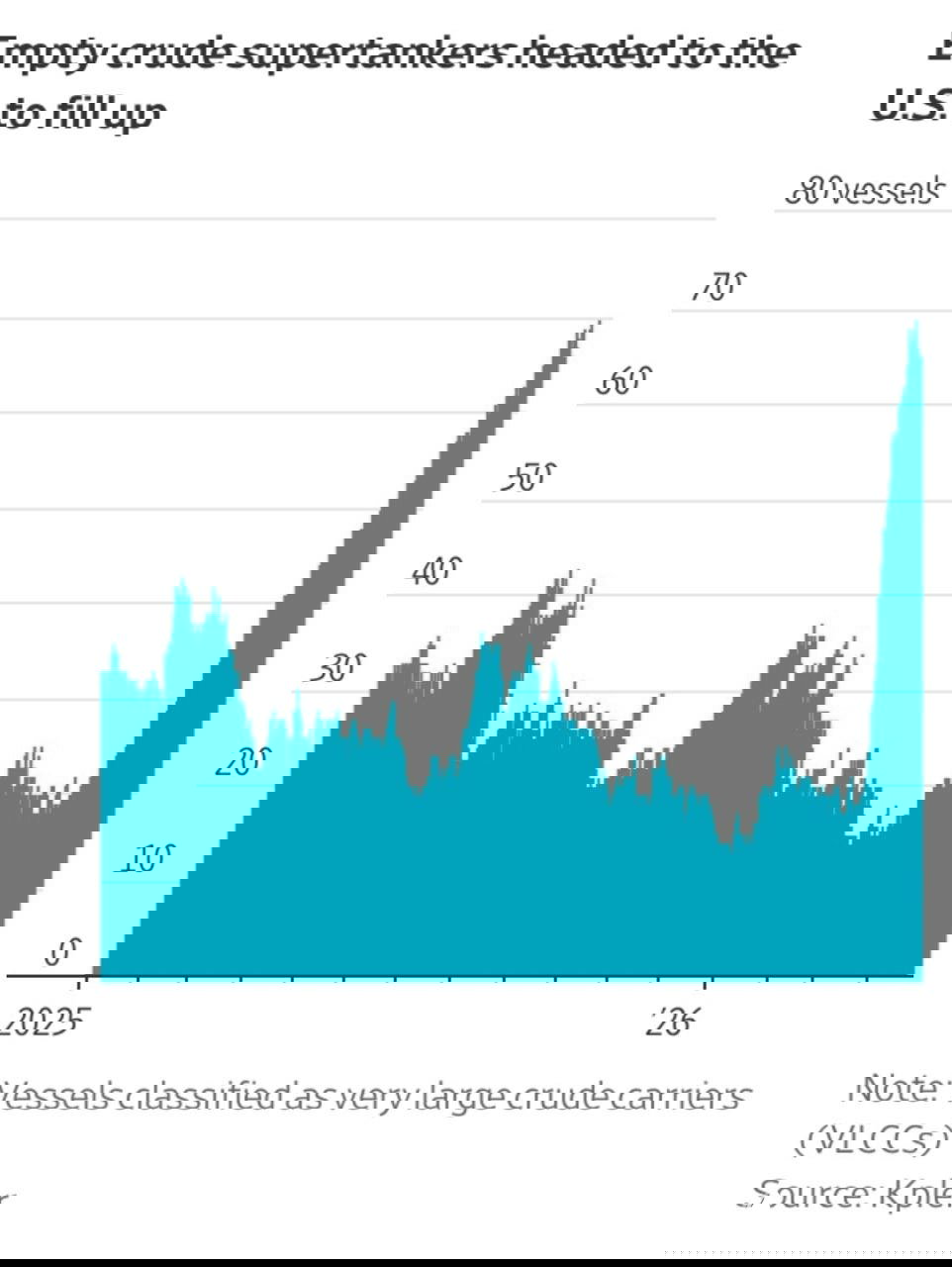
U.S. oil exports last week reached 5.2 million barrels per day– 1 million barrels more than a week earlier. More than 65 empty supertankers went to the United States for oil (almost three times more than before the start of the war with Iran), whereas last year the annual average was 28 ships. In April, Europe will receive more than a third of aviation fuel from American refineries – twice as much as in January.
At an oil price of $100 per barrel, American oil companies can receive an additional cash flow of $63 billion.
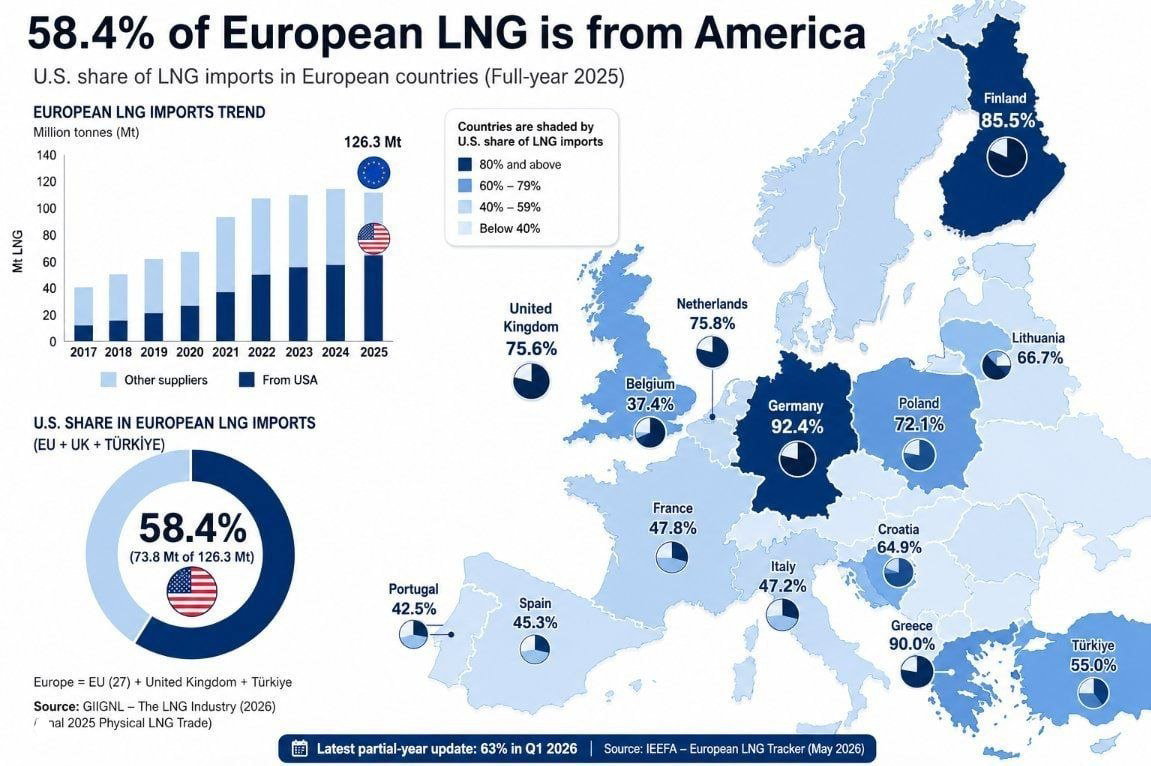
The U.S. gas industry is also getting a long-term boost. Since 2022, Europe has shifted to American LNG, and now Asia may follow suit. Before the war with Iran, Asia received more than 25% of LNG and about 40% of oil from the Persian Gulf. The United States has become the largest exporter of LNG, overtaking Australia and Qatar since the first shipment was sent in 2016. The White House plans to double its gas export capacity over the next five years. Currently, Europe receives more than half of its LNG from the United States and about 15% of its oil.
Over the next 12 months, oil production in the United States will be able to increase by only 340 thousand barrels per day.
Over the past month, America has increased gas exports by 30%, a record since 2020. Over the past 30 days, LNG shipments have increased by 28% compared to the same period in 2025. As a result, American suppliers gain a significant market share.