
Когда люди способны к самоэмпатии, они гораздо лучше учатся, сталкиваясь со своими ограничениями, не теряя самоуважения — без чувства вины или депрессии.
На самом деле, я бы сказал, что если мы не способны эмпатировать самим себе, то делать это с другими будет очень сложно. Ведь если мы, ошибаясь, продолжаем считать, что с нами что-то не так, как же мы удержимся от подобных суждений о других?
Когда мы можем отнестись к себе с эмпатией и быть в контакте со своим подлинным «я», мы начинаем распознавать, какие потребности остались неудовлетворёнными из-за наших действий, и одновременно понимаем, какие потребности мы пытались удовлетворить, поступая именно так.
Когда наше внимание сосредоточено на наших потребностях, нам гораздо легче наполнять их, не теряя самоуважения, а также не осуждать других за то, что они говорят или делают.
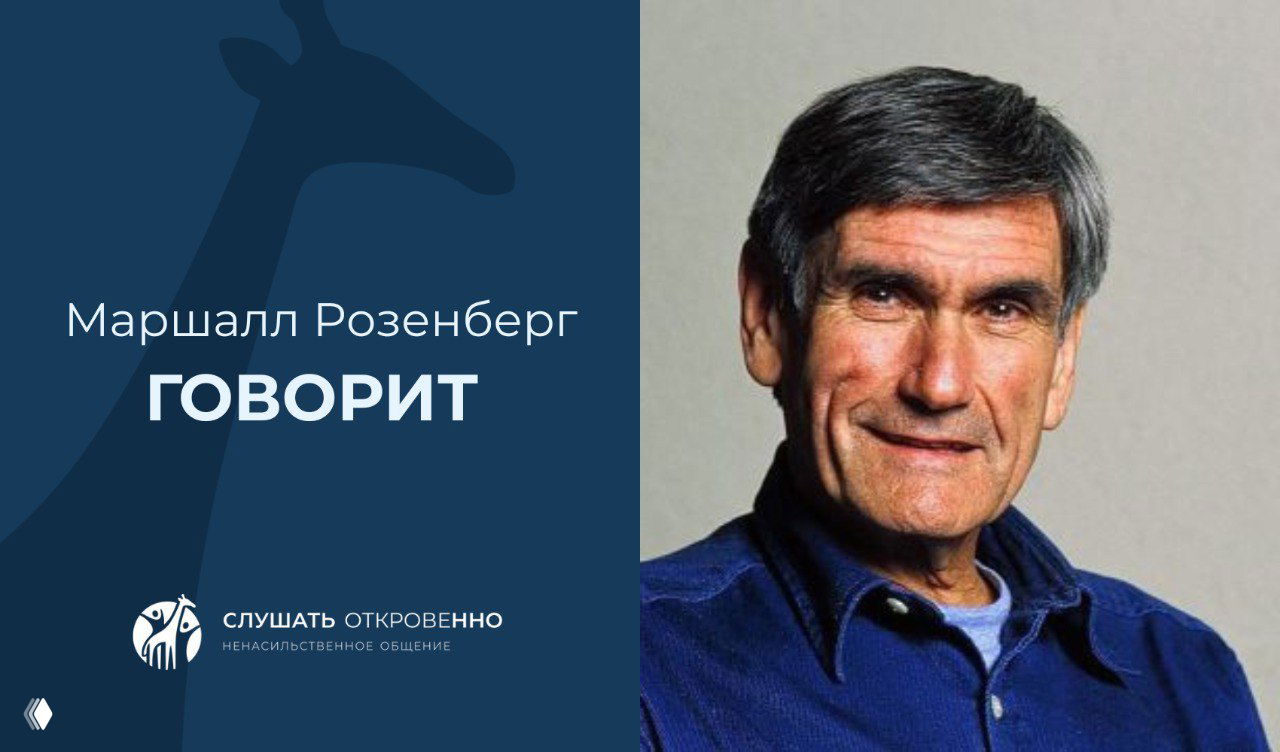
Маршалл Розенберг
When people can practice self-empathy, they are much better able to learn from their limitations without losing self-respect—without feeling guilty or depressed.
In fact, I would say that if we’re not able to empathize with ourselves, it’s going to be very hard to do it with other people. If we still think when we make a mistake that there’s something wrong with us, then how are we not going to think there’s something wrong with other people for doing what they do?
When we can empathize with ourselves and really stay connected to our true self in a life-enriching way, we can hear or sense which needs we’re not meeting by our actions, at which point we also can see which needs we were trying to meet by doing what we just did.
When our awareness is on our needs, we’re much better able to meet our needs without losing self-respect, and we’re also better able to avoid judging others for what they say or do.
Rosenberg, Marshall B. Speak Peace in a World of Conflict: What You Say Next Will Change Your World. Encinitas, CA: PuddleDancer Press, 2005
| Дневник эмоций | Курс ННО |
Дискуссия